Contents
Why AI Models Matter on Fanvue
Who Benefits From AI Creators?
What This Means for Adult Platforms
OnlyFans is often seen as one of the most creator-friendly adult subscription platforms because it allows material that many mainstream services do not.
But even OnlyFans has limits.
One of the key boundaries is that fully AI-generated monetized adult content is not treated the same way as content made and sold by real people. Platform rules can change, so creators should always check the latest official policies and settings before posting.
That is where Fanvue became interesting.
While larger rivals like ManyVids and FanCentro already compete for the same market, Fanvue drew attention because it opened the door to something much more disruptive: real creators and AI-generated models competing on the same platform for the same subscribers.
What Makes Fanvue Different?
Fanvue is not just another OnlyFans alternative.
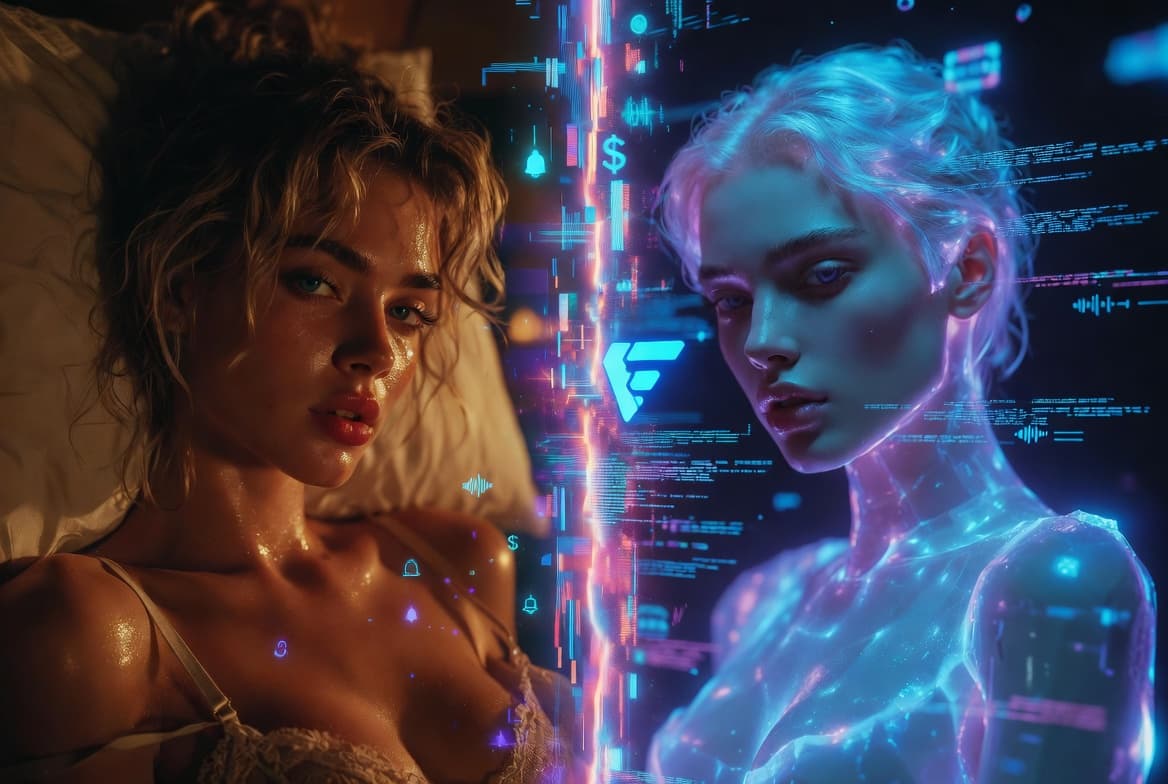
Its real distinction is that it allows users to build AI personas, generate subscription-friendly content around those characters, and monetize them alongside human creators.
That changes the competitive logic of the platform.
Instead of real people competing only with other real people, they may now be competing with characters that never get tired, never age, never miss a posting schedule, and can be endlessly optimized for a specific niche.
That idea helped push Fanvue into the media spotlight.
Forbes covered how AI-generated influencers on the platform were beginning to attract attention and generate revenue, turning what looked like a niche experiment into a serious creator-economy story.
Why AI Models Matter on Fanvue
The most provocative part of the Fanvue model is not the technology itself.
It is the economic shift behind it.
On Fanvue, you do not need to be a traditional creator to launch a digital personality. A programmer, designer, marketer, or small team can build an AI character, generate adult-themed content, and sell access through a subscription model.
That lowers the barrier to entry for one kind of creator while raising new pressure for another.
Media interest grew as stories about AI influencers started moving from novelty to business case. In Forbes coverage of AI creators on Fanvue, the platform was framed as part of a new market where fictional digital personalities could earn meaningful money.
In 2024, Fanvue pushed that idea even further by launching Miss AI, a beauty contest for AI-generated models.
The contest did not judge appearance alone. It also considered the technical quality and social strategy behind the digital persona.
That was a clear signal: this was no longer just about fantasy or aesthetics. It was about product design, branding, and performance metrics.
Who Benefits From AI Creators?
Brands and companies have obvious reasons to be interested.
A digital model can be adjusted to fit a campaign, a niche, or a demographic target without the unpredictability of working with a real human personality.
It can also reduce some of the legal and management tensions that come with contracts, rights disputes, or replacing public-facing talent.
That promise, however, comes with real risk.
When AI starts borrowing from real people’s faces, styles, or identities, the ethical and legal problems arrive fast. Meta recently faced criticism tied to AI-generated accounts and likeness concerns, as reported by CNN.
Fanvue did not create that tension, but it sits directly inside it.
One of the platform’s best-known examples is Aitana Lopez, an AI model developed by a Barcelona design agency. According to Euronews, the character built a major social following and was reported to generate around $10,000 per month through brand-related work.
That explains why this trend matters beyond adult platforms.
It is not just about subscriptions.
It is about digital labor, ownership, branding, and who gets paid when a persona is no longer fully human.
Why Real Creators Still Care
For adult creators, a platform like Fanvue can look threatening at first.
But it can also look useful.
Fanvue originally appeared in part because the adult creator world learned a hard lesson during the 2021 OnlyFans controversy, when the platform announced plans to restrict explicit content and then reversed course after backlash.
That moment reminded creators that depending on a single platform is always risky.
A smaller alternative with weaker reach may still matter if it provides a backup revenue stream, a different audience, or more room for experimentation.
There is also a practical reason some real creators may not reject AI outright.
Hybrid workflows are already becoming normal across the broader creator economy. Some creators experiment with AI-generated promotional visuals, AI-assisted messaging, or chat automation to save time and scale communication.
If real creators start mixing authentic content with clearly labeled AI-assisted material, that could attract a new kind of subscriber while reducing some production pressure.
The line between “real” and “synthetic” is becoming less stable, even on platforms built around personal intimacy and direct access.
What This Means for Adult Platforms
The bigger question is not whether AI models will exist.
They already do.
The real question is whether audiences will keep paying for real people when a platform can offer fantasy characters built for maximum engagement.
OnlyFans still benefits from scale, brand recognition, and a creator culture centered on real individuals. That remains a major advantage.
But Fanvue is testing a different future, one where adult subscription platforms look more like a mix of creator economy, virtual influencer marketing, and AI entertainment.
That does not mean AI will replace human creators.
It does mean the market may split.
Some subscribers will still want real people, real personalities, and real intimacy. Others may be perfectly comfortable paying for polished digital fantasy, especially if it is cheaper, faster, and always available.
In the long run, the most likely outcome may be coexistence.
Real creators, AI personas, and hybrid accounts could all compete in the same ecosystem, each offering a different kind of value.
If that happens, platforms will need clearer rules on disclosure, ownership, moderation, and consent.
And creators will need to decide whether AI is a threat, a tool, or both.
If you follow this space, browse our OnlyFans tag
FAQ
Is Fanvue an OnlyFans competitor?
Yes. Fanvue is one of several subscription platforms competing in the adult creator economy, but it stands out because it allows AI-generated creator personas.
Does OnlyFans allow AI-generated adult content?
OnlyFans has had stricter limits around fully AI-generated monetized adult content than some competitors. Policies can change, so creators should always check official platform rules.
Why are brands interested in AI models?
Because digital characters can be controlled, branded, and adjusted more easily than human talent, though that raises serious questions about likeness rights and disclosure.
Can AI models replace real creators?
Not completely. Real creators still offer authenticity, personality, and emotional connection. But AI models may take part of the market, especially where subscribers prioritize novelty and constant output.
You can find Fanvue models here 🙂